
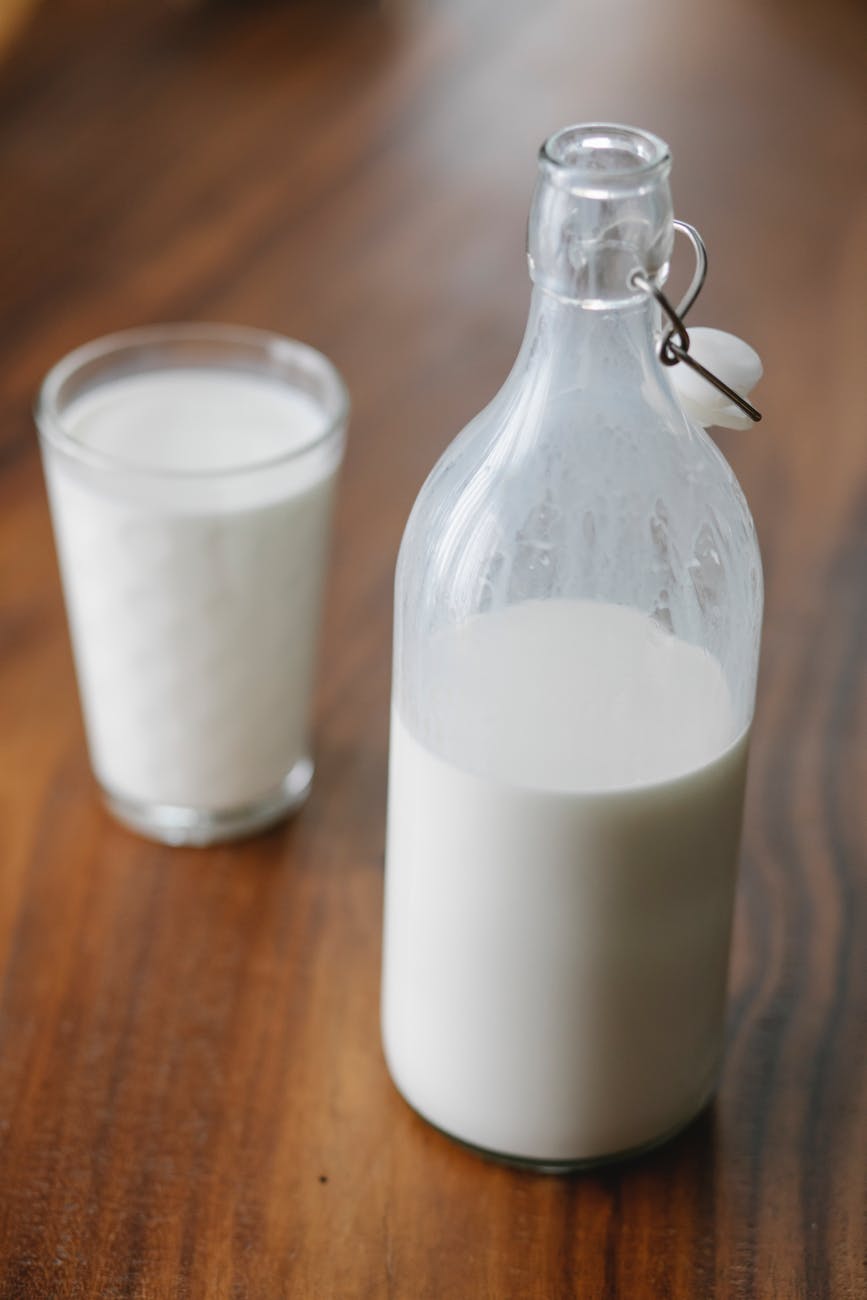
Hot air rises. Milk is heavier than water. Oil rises to the top of dressing. Gravy weighs more than water. Is cream lighter than milk?
You may be like many students who slept through molecular biology. At first our eyes confirmed that If one of two quantities of a material ‘looked’ bigger, it usually weighed more. Later comparisons however compared different materials of the same quantity. A gallon of lead vs. a gallon of water. We understood the heaviness of lead by bringing our muscles to the observation. But what of H2O? Ice floats and steam rises. Does a gallon of steam weigh the same as a gallon of dry ice? Uh, oh. There is more to these answers than what we can see or feel. Why compare these items in a music educator blog?
Scientists use comparisons to understand differences in matter and energy. We compare ourselves to other people all the time. We think we are making fair comparisons. They have the same job assignment we do. We think they have the same years of experience we do. We think they have the same opportunities we have. We think they have the same talents we do. Then we begin to make evaluations about the value or the position of another person based on those equivalences. This very human practice is looking for a way to judge whether our efforts are “enough” to be on top. If I am doing what they are doing, that’s enough. If I can get the position they have, that will be enough. When I have the opportunity to do what they are doing, then I’ll be enough. You are now thinking of the flip side of that: Since I am not like those models, I am not enough; there must be something wrong with me; I’m beneath them. This comparison is not ‘fair’ or even useful, because just like matter and energy, teachers are more complex than that. Now you may see that the molecular biology comparison has raised the point I want to make about the practice of comparison:
Being heavier than another material is not a mark of value. Weighing less is not a sign of quality or superiority. “Rising to the top,” is what cream does, because it has a less dense molecular structure not because it is more valuable than milk. Think of the heavier (more dense) molecules of ethyl alcohol which will inhibit the growth of viruses, compared to our need to have less dense water to drink. This comparison is useless. We are not meant to be compared to other people. We need only to be what we are. How should we measure our value? By acting out who we are and what we are made of.
As a new teacher, I knew this with my head, but expected that with experience I would “rise” to the top and assume this most valued position among my peers. It is a very difficult mindset to relinquish.
It will take all of us to cease making unrealistic value comparisons of our colleagues. We might never admit that we continue doing that, but it is ubiquitous. A conscious and public effort to uplift and support every teacher and position is nothing short of essential for the good of our profession and our collective psyche. May we stop advocating for everyone to be cream when what we clearly need is chocolate vodka on ice!
Photo by Charlotte May on Pexels.com 
Photo by Charlotte May on Pexels.com 
Photo by Ryutaro Tsukata on Pexels.com 
Photo by Adrianna Calvo 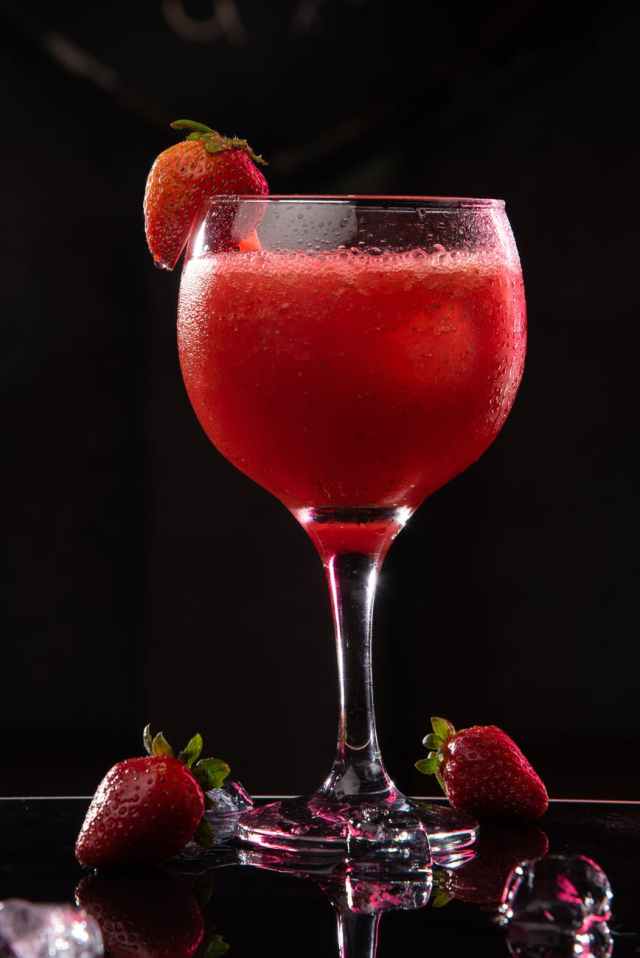
Photo by Carlo Fuentelsaz on Pexels.com

 RecapitulationSong