
School’s out for summer…
I’ve recently seen several posts from colleagues who included pictures of their classrooms all cleaned out and put away for the summer break. I relived with them the feeling of relief that this task always had on me. Depending on how much time I had to purge, I was able most years to throw out accumulations of correspondence, or notes that were no longer relevant, or were completed, or which I never intended to revisit.

I was raised by family who lived through the depression of the 1930’s and whose mantra was, “Well, you might need that one day!” I do have a strong inclination to ‘find a use for it,’ but certain things in a given school year bring frustration or memories of failure. It feels good to throw away those things that might hold me back. Always as I close one year, I inevitably begin planning for the next year, not unlike what happens in my gardening.
At the end of the growing season, dead plant material gets pulled up, composted, or tossed. Seeds of successful plants are gathered, labeled, and stored carefully to plant in future gardens: the surest way to continue a good thing. During the off season, soil rests, and my mind plans for bigger and better harvests. When planting time arrives I enter the garden with great anticipation.
Upon examining the garden sites, I am sometimes surprised to find seedlings already coming up where I planned to plant. In their immature stages many of them look alike, and it is impossible to tell if they are seeds from the plants that grew there last year, or are seeds that the wind or birds have brought in. I am faced with the decision of whether to clear out this new growth in order to plant my saved and purchased seeds, or let them grow. After all, these unexpected plants have survived a long rest and have germinated to push their way to the sunlight and grow roots without any help from me. They will have a jump start on anything I plant, but questions abound.
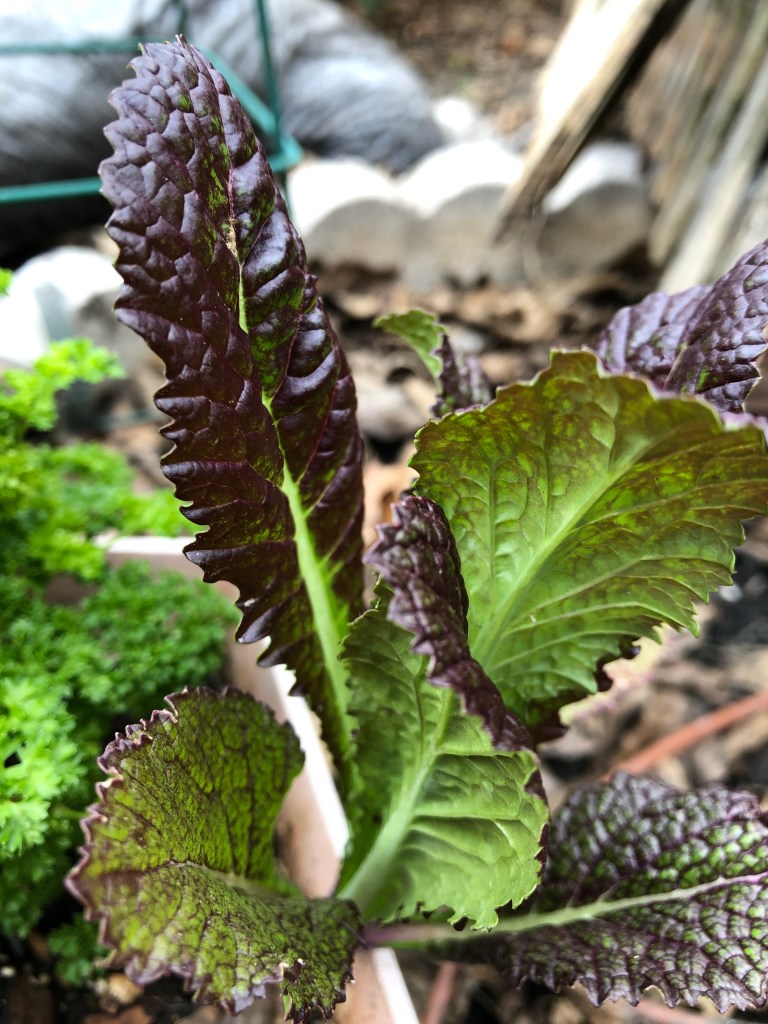
Anybody know what this is? It came up on its own. I ate it.
Are they the same species I planted before? Are they new seeds from my neighbor’s garden or the field across the way? Will they produce food? Will they produce flowers? Will they benefit other plants in the garden? Will they create more work to manage as they grow? Will they crowd out more beneficial plants by taking up limited resources like food and water? Gardeners understand that there is no such classification in botany for identifying “weeds.” We remove plants we don’t desire, cultivate the ones we do, and leave the rest to take care of themselves. The same applies to teaching ideas.
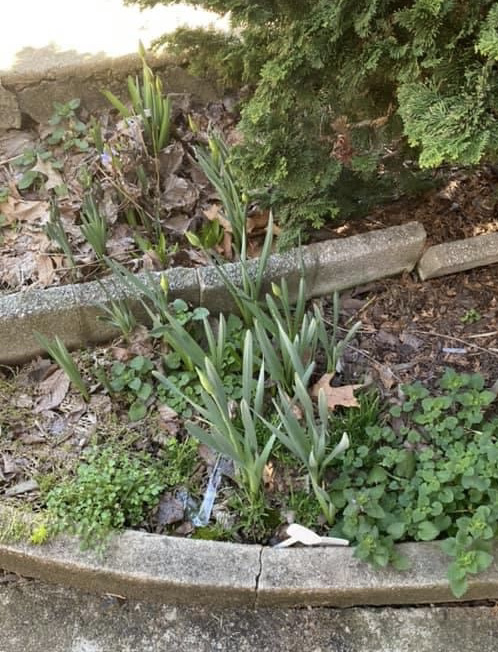
Daffodils, oxalis and galant soldier, none of which I planted. Hmmm…
My advice: don’t be too quick to discard unexpected ideas that you didn’t cultivate. You may not have planted the seeds, but if they are out there, they have grown up somewhere and the seeds found their way to your garden. You may have planned to sow your seeds in all the spaces available in your garden, but did you leave room for these ‘volunteer’ plants? How much space would it take to let them grow along side your planned ideas until they get big enough to judge their worth? You might have to wait a little while to determine what the idea is going to become. If it is destructive to your learning ecosystem, pull it up when you are sure and throw it in the compost pile. If it is beneficial, but in a place it can’t flourish, it will still be small enough to transplant to a better spot. If it is neither beneficial nor destructive, but benign, can you honor it’s ability to survive a harsh reality of survival of the fittest and not destroy it because it is not in your designed plan?
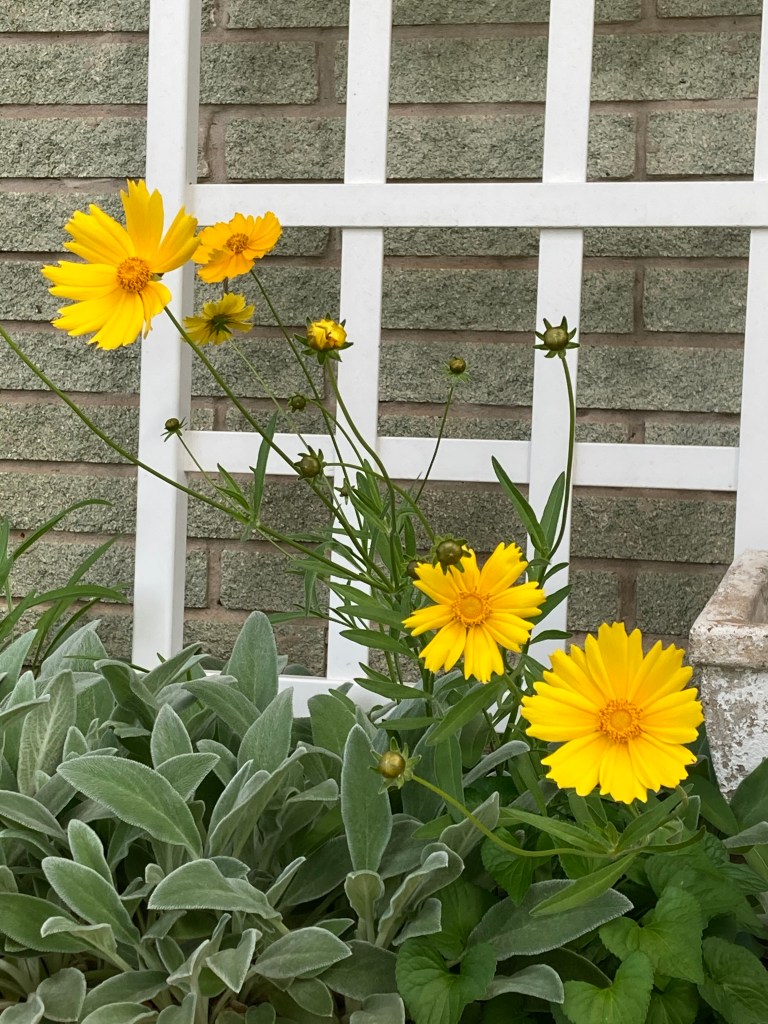
Some of the unplanted flora that grew in my garden

Leave space in your life and in your plans for random, spontaneous ideas. Educate yourself about sustainability, complementary planting, and threats to a healthy ecosystem of teaching. Don’t assume you know everything you need or that there isn’t room for anything else. Be open to those opportunities to cultivate a random idea and find a place for it in your future teaching garden. A beautiful garden is diverse. So is a beautiful learning experience. Similarly we can apply this to the diversity in one who is a beautiful person, and that is a metaphor to examine another time.

 RecapitulationSong